
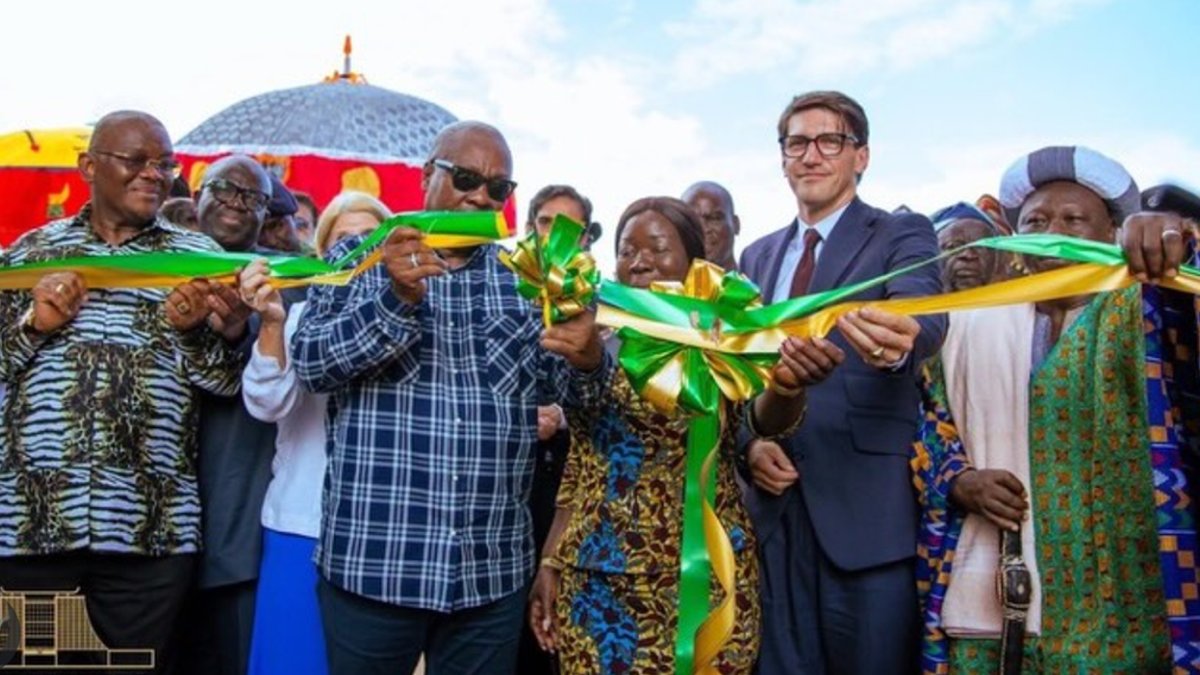
President John Dramani Mahama commissioned the Northshore Apparel Ghana Limited facility at Savelugu on August 28, 2026, signaling a major shift for the country’s manufacturing ambitions. The sprawling 40,000-square-metre production site, currently running around 50 lines, is designed to produce T-shirts, polo shirts, sportswear, and underwear for both local and international markets. The factory represents a tangible step toward the Government’s 24-Hour Economy agenda and is being developed in three phases to expand production capacity further.
Creating Jobs And An Industrial Base
Employment figures for the new site are already impressive, with more than 2,300 direct jobs created. Officials project that the number will rise to around 10,000 when full capacity is reached. The government has stated that 80 percent of available positions are being reserved for women. The facility also includes on-site clinic and crèche services, aiming to support the workforce in the Northern Region.
The economic impact extends beyond immediate hiring. The hope is that a major industrial operation in Savelugu will reduce the need for young people to migrate south in search of work. Instead, the area could develop a broader ecosystem involving logistics, suppliers, and service industries.
Related: BlackRock Backs Bitcoin in the Long Run
A History Of Textile Manufacturing
Ghana’s textile industry was once a serious manufacturing powerhouse. During its golden era in the 1960s and 1970s, the country operated more than 20 large-scale textile factories, employing over 25,000 people at its peak. By the 2000s, however, the sector had been devastated by economic problems, the influx of imported textiles, and second-hand clothing. The new facility attempts to reopen a chapter that the country allowed to fade away.
The project also carries an ambition to reconnect with the domestic cotton value chain. President Mahama has indicated a broader vision to grow, gin, and process Ghanaian cotton into finished garments for global export. This move would reduce reliance on imported inputs and keep more of the value chain within the country.
Beyond The Workshop
A large factory producing thousands of garments can undoubtedly create employment and generate foreign exchange. However, jobs and a fashion industry are not necessarily the same thing. Northshore is explicitly being positioned to manufacture garments for global fashion brands. This raises an important question: will Ghana simply become a competitive production base where international companies have their clothes manufactured cheaply, or will the factory help local designers and brands build their own global businesses?
Related: From Vision to Skin: A Guide to Getting Your First Tattoo
The distinction between “Made in Ghana” and “Designed in Ghana, owned in Ghana and exported by Ghanaian brands” is significant. If the facility primarily manufactures products designed, branded, and commercially controlled elsewhere, much of the intellectual property and higher-value profits could remain outside the country. Manufacturing jobs matter, as do skills and export capacity, but if Ghana wants a genuine fashion-industry revival, the ambition should arguably go beyond becoming the workshop behind somebody else’s fashion label.
Looking Ahead
The Savelugu facility deserves the excitement, but it also warrants scrutiny. The real test will not simply be whether Northshore employs 3,000 or eventually 10,000 people. The bigger test will be whether Ghana can use this industrial capacity to develop its own designers, textile producers, cotton farmers, and exporters. If that happens, Ghanaian fashion could actually start owning a bigger piece of the world fashion business.


