
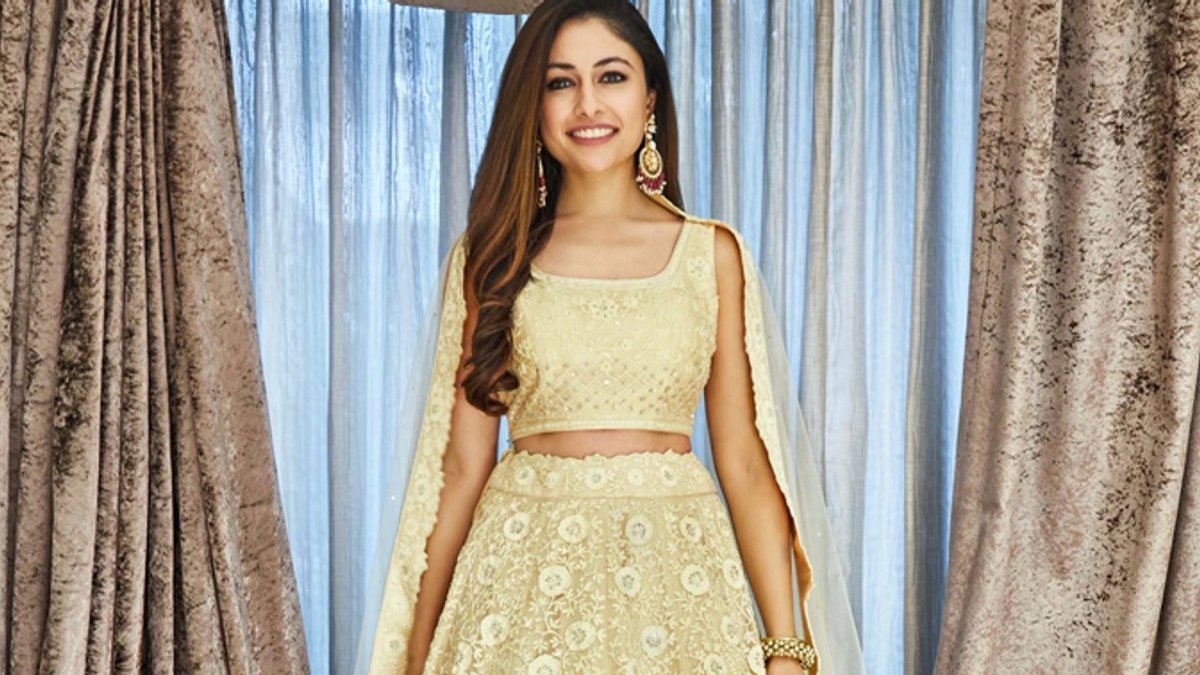
The first fully on-ground edition of the FDCI x Lakmé Fashion Week concluded as a massive success, showcasing the latest trends, material innovations, and newer talent in the fashion industry. India is solidifying its place in the world’s fashion map by displaying unique designs and path-breaking material explorations in sync with the demands of the evolving consumer.
A fashion week is not only a place to witness glamour and the latest trends, but also an important business hub for both designers and buyers in the fashion space. Overseas business results in a big share of revenue for Indian designers, and this year was no different, with both FDCI and LFW joining their forces to enable a common ground for designers and buyers to interact.
Top Fashion Trends
Apparel Resources had an exclusive interview with India-based Aza, Dubai-based Vesimi, and Paris-based Prinia Collection to understand the top fashion and retail business trends worldwide, along with the top designers on the global radar. Devangi Nishar Parekh, Director of Aza Fashions, shared that wedding-related apparel, accessories, and jewelry are doing exceptionally well, with fusion styles and fashion jewelry pieces seeing a rise in sales.
According to Parekh, the top fashion trends set to dominate in the near future include the sexy blouse, genderless clothing, denim in a new avatar, and print on print. She also mentioned that Aza has placed orders with several designers, including Punit Balana, Aisha Rao, and Siddhartha Bansal, for the coming season.
Post-Covid Recovery
Parekh noted that the post-Covid recovery has been significant, with the pandemic driving digital adoption and leading to consistent growth for Aza’s online vertical. The company has seen a 100% growth in sales and has introduced over 200 new labels across stores and online.
Parekh observed that the consumer psyche and buying habits have changed post-Covid, with customers wanting to celebrate their special occasions with people they love as soon as possible.
Expansion and Growth
Aza currently operates six stores: three in Mumbai and three in New Delhi. Its online business contributes to around 40 per cent of total revenue, with 70 per cent of that coming from outside India – the MBO ships to more than 75 countries across the world.
Related Post: Tech investments shape future industry leaders
Over the past year, Aza has dedicated its efforts to scale up its e-commerce business. The company has also concentrated efforts on finding young talented designers who have a lot of potential for growth.
As the fashion industry continues to evolve, it’s clear that Indian designers are making a significant impact on the global stage. With the rise of e-commerce and digital adoption, the future of fashion looks promising, with a focus on unique designs and self-expression.
The fashion industry is becoming more accessible and convenient for consumers. This shift has also enabled designers to reach a wider audience and expand their customer base.
Devangi Nishar Parekh believes that the key to success in the fashion industry is to stay connected with the new-age consumer. She notes that customers are looking for unique products that reflect their personality and values.
The future of fashion is looking bright, with a focus on self-expression and unique designs. As the industry continues to evolve, it’s likely that we will see more innovative and creative approaches to fashion.
Indian designers are playing a significant role in shaping the global fashion industry. Their unique designs and perspectives are being recognized and appreciated by consumers around the world.
The rise of e-commerce and digital adoption has created new opportunities for Indian designers to reach a global audience. This has also enabled them to expand their customer base and increase their revenue.


