
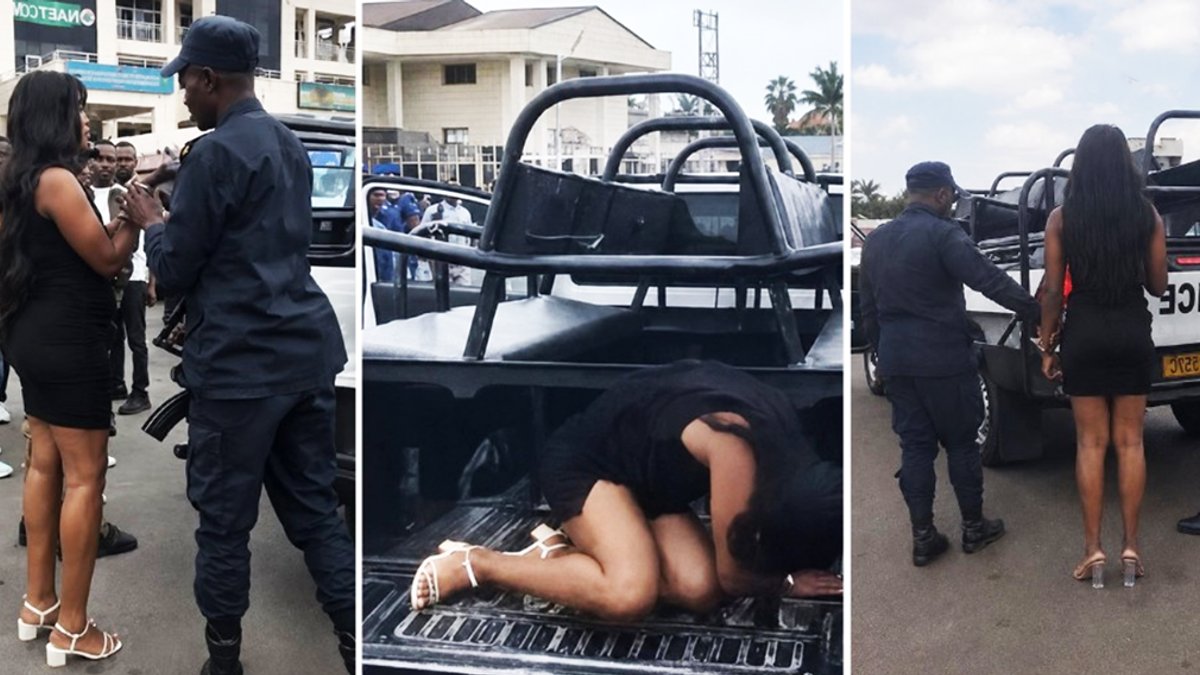
Footage from a bus park in Rubavu shows law‑enforcement officers pulling a young woman into a police vehicle because she was wearing a short skirt, sparking a wave of online criticism.
The clip ignited public outrage.
Video ignites public backlash
The clip, which quickly circulated on social media, captures officers gripping the woman’s arms and escorting her away while onlookers shout. Viewers described the scene as a “dramatic overreach,” and hashtags condemning the act trended within hours. The woman’s attire, a mini skirt dress, was the sole reason given for the detention.
Police say the woman was released, officers detained
According to a statement from Rwanda National Police, the detainee was cleared of any wrongdoing after a brief review. The same statement confirmed that the officers featured in the video were placed under arrest pending an internal investigation. Officials said the move was meant to address “unacceptable conduct” by the personnel involved.
Related: Alt.FFF Links Africa’s Fashion Value Chain in Accra
Authorities have been enforcing a policy they describe as “indecent dressing,” which has led to similar confrontations in other parts of the country. Reports indicate that women have been turned away from events or questioned by police for clothing deemed revealing. The policy has no publicly available list of prohibited garments, leaving much to officer interpretation.
Supporters argue that such measures protect cultural values and maintain public order. Critics counter that vague guidelines give too much power to individual officers, risking arbitrary enforcement.
It is worth noting that Rwanda’s legal framework does not specify exact measurements or styles that constitute indecency. The lack of clear criteria means that personal judgment often determines whether a person is stopped. This ambiguity fuels debate about the fairness of using arrest as a response to clothing choices.
In many societies, modesty standards exist, but the proportionality of the response varies. A fine or a formal warning could address the issue without subjecting a citizen to a police cell. Such alternatives might preserve public standards while avoiding the humiliation that comes with a handcuffing.
Related: Learnmore Jonasi video mocks South Africa’s Lebo M
From a broader perspective, the incident highlights the tension between cultural preservation and individual rights.
When dress becomes a legal matter, the line between community norms and personal freedom can blur, prompting questions about the role of the state in everyday appearance. The outcome of this case may influence how similar policies are applied in the future, especially if the investigation leads to clear guidelines.
The investigation into the officers’ conduct is still ongoing.

